Let’s make something simple and special together. Family photos are extra sweet because toddlers already know the faces, places, and pets. That makes them perfect for easy memory and matching games that can help support visual discrimination, attention, and recall.
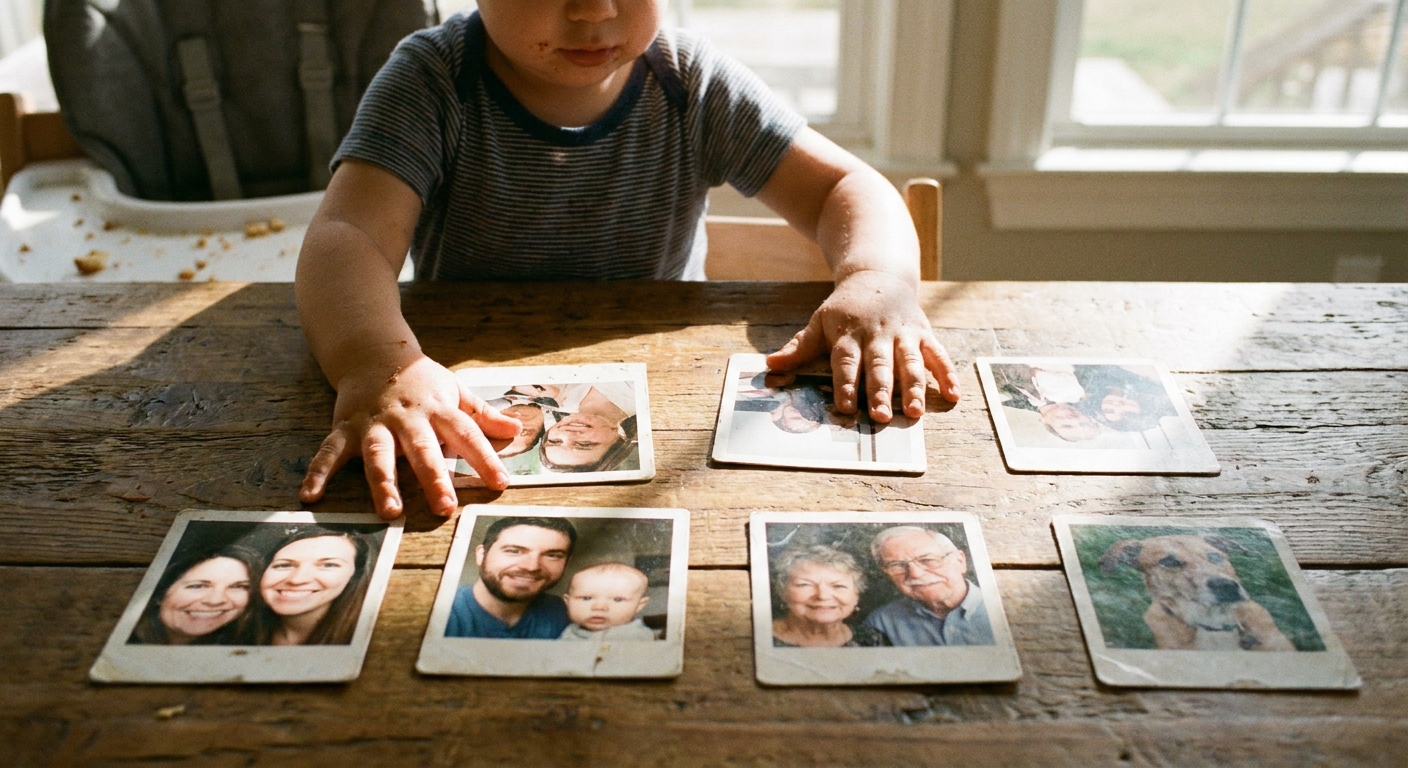
What you’ll make
You can create one sturdy set of photo cards, then play lots of different games with the same deck. The goal is simple: toddlers look closely, compare, and remember.
Quick age guide: Many 2-year-olds do best with 2 to 4 pairs face up. Many 3 to 4-year-olds enjoy 6 to 12 pairs, and some are ready to try face-down play with help.
Supplies
- Printed family photos (small is best, about 2 to 3 inches square)
- Paper choice: regular printer paper works, and photo paper often lasts longer
- Thin cardboard (cereal boxes work) or cardstock
- Child-safe scissors (adult help for cutting is usually needed)
- Glue stick or double-sided tape
- Clear packing tape, contact paper, or a laminator for durability
- Marker (optional for backing designs or color-coding)
- Small bag or box for storage
- Optional: a tray, placemat, or small rug to define the play space
Quick tutorial
Step 1: Pick easy photos
Choose clear, simple images with big faces and familiar things. A good starter set is 6 to 10 pairs.
- Close-up faces of caregivers and siblings
- Pets
- Favorite places (front door, playground)
- Favorite objects (blanket, special cup)
Step 2: Print and cut
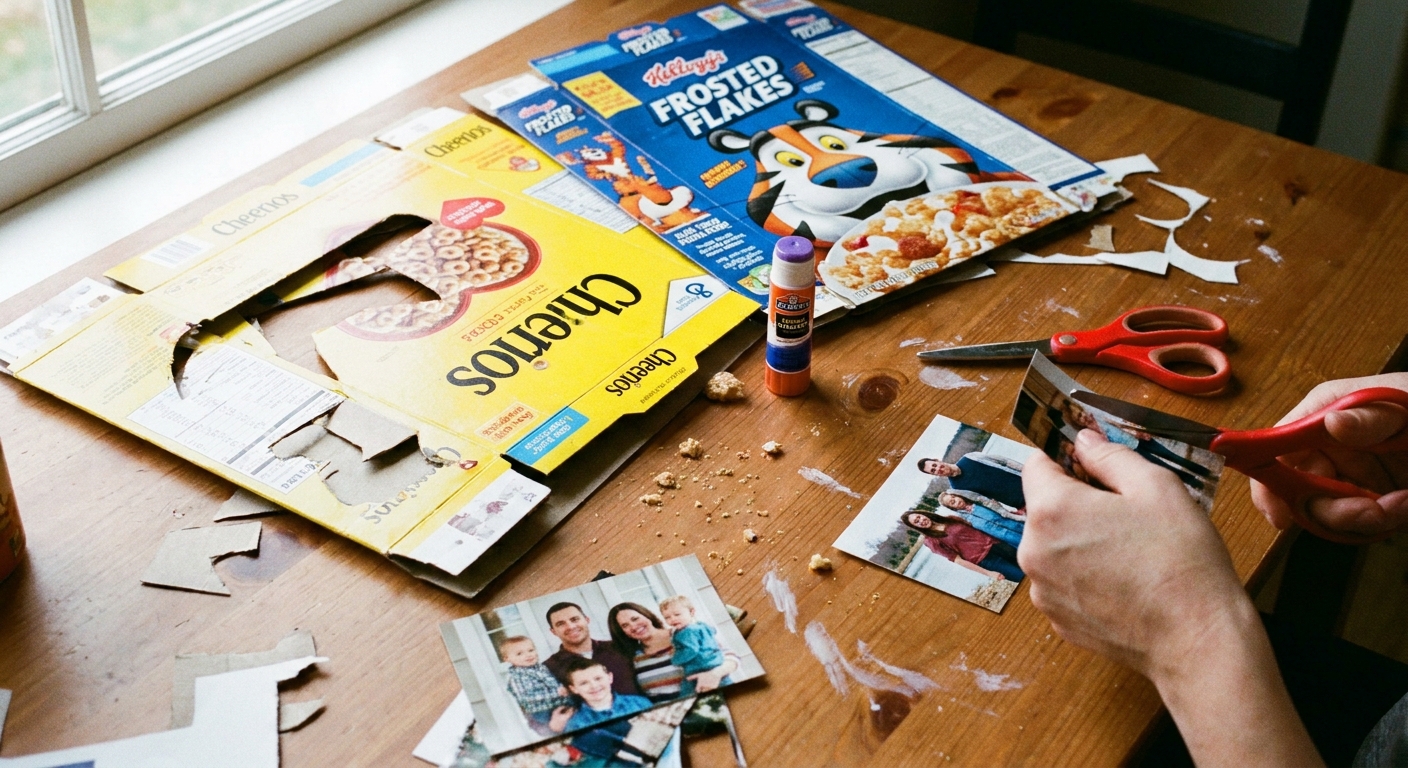
Print two copies of each photo for matching pairs. Trim them into the same size squares or rectangles.
Step 3: Mount on cardboard
Cut cardboard squares slightly larger than your photos. Glue photos onto the cardboard and press flat. Let the glue dry before sealing so you get fewer bubbles and wrinkles.
Step 4: Make the backs match
Toddlers spot tiny differences fast. To keep the game fair, cover the backs with the same paper, the same tape, or the same solid color.
Step 5: Seal for toddler-proofing
Cover each card front and back with clear tape or contact paper, then trim flush. Rounded corners are gentler for little hands. Try to avoid little overhangs or corners that can be picked and peeled.
Step 6: Start small
Begin with 3 to 6 pairs on the floor or table. Add more pairs as your toddler gets confident.
Safety notes
- Supervise closely if your toddler still mouths toys. Cards can bend and pieces can tear off.
- Go bigger for younger toddlers so the cards are easier to hold and harder to fit fully in the mouth.
- Watch the edges and avoid tape corners that start peeling.
- Discard damaged cards right away if they are chewed, torn, or delaminating.
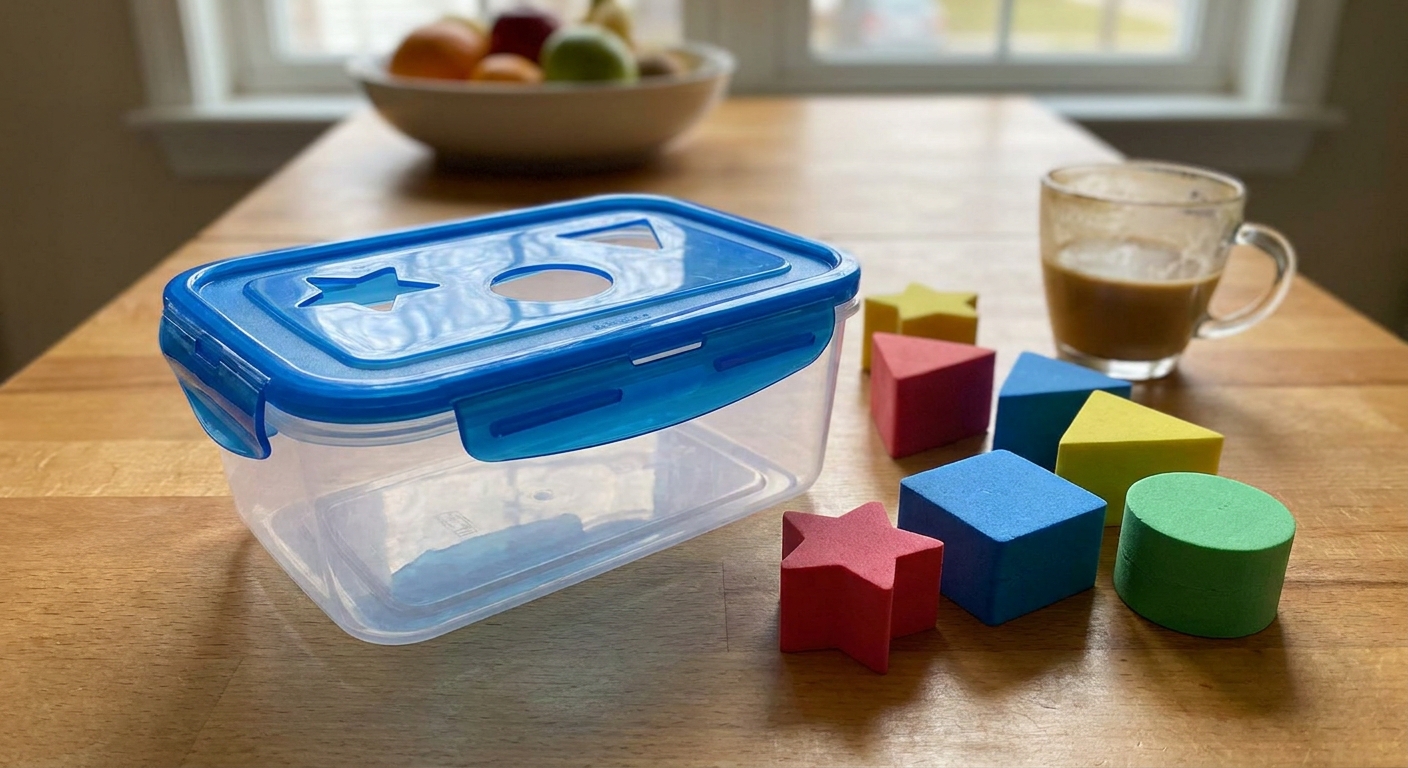
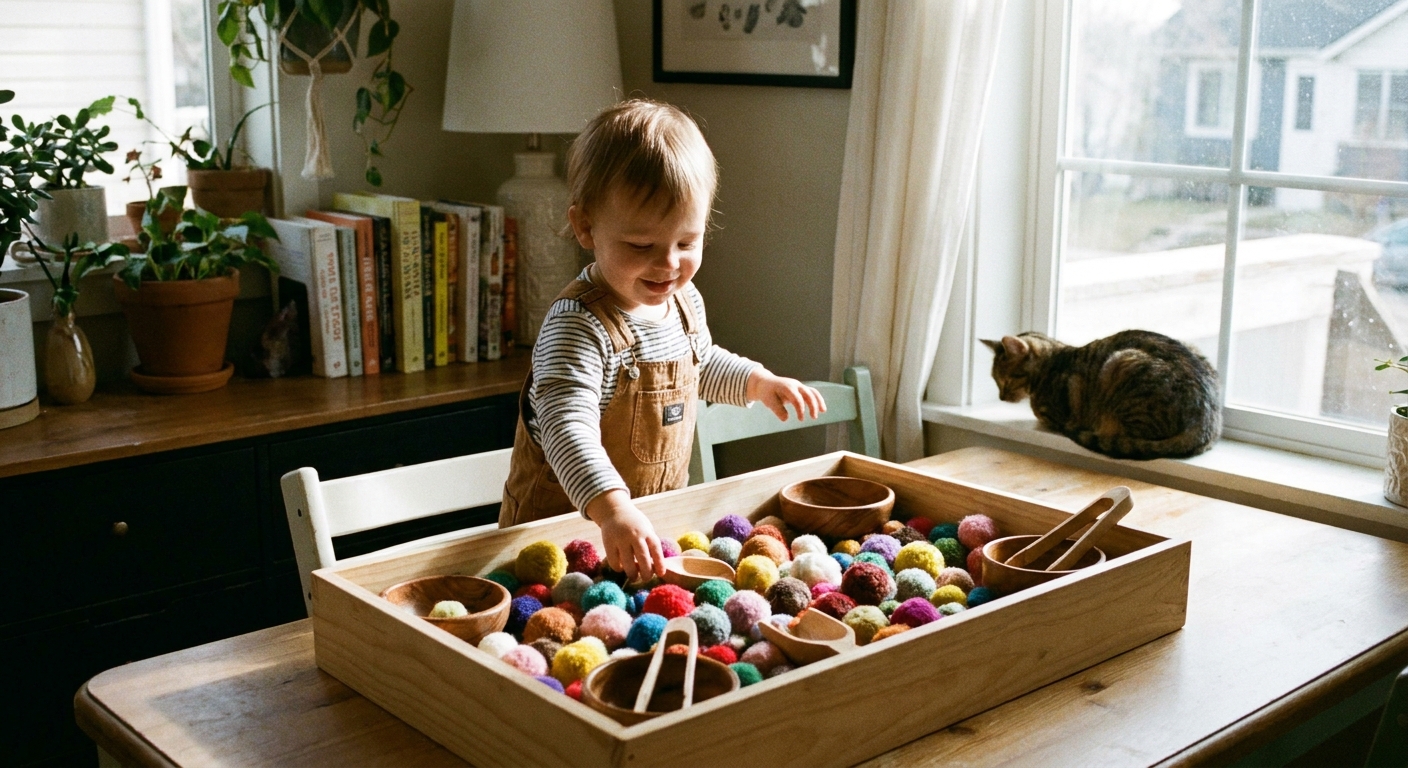
If you need extra ideas for mouth-safe play, take a peek at taste-safe sensory bin fillers for toddlers who mouth everything and choose options that fit your stage.
6 matching games
All of these use the same photo card deck. Swap games anytime to keep things fresh.
1) Classic Memory Flip
This is the traditional matching game with cards face down. Keep it short and sweet for toddlers.
- Place 3 to 8 pairs face down in a grid.
- Take turns flipping two cards.
- If they match, keep the pair. If not, turn them back over.
- Use simple language: “Same!” “Not the same.” “Let’s try again.”
Toddler tip: If the grid feels like too much, start with just 3 pairs in a row.
2) Open Match
This version builds matching skills without the extra pressure of remembering where things are.
- Lay all cards face up.
- Ask your toddler to find two that match.
- When they find a pair, cheer and remove it.
Make it easier: Offer just 4 to 6 cards at a time.
3) Peek-and-Find
This adds a gentle memory challenge, like a tiny scavenger hunt.
- Choose one matching pair and show both cards.
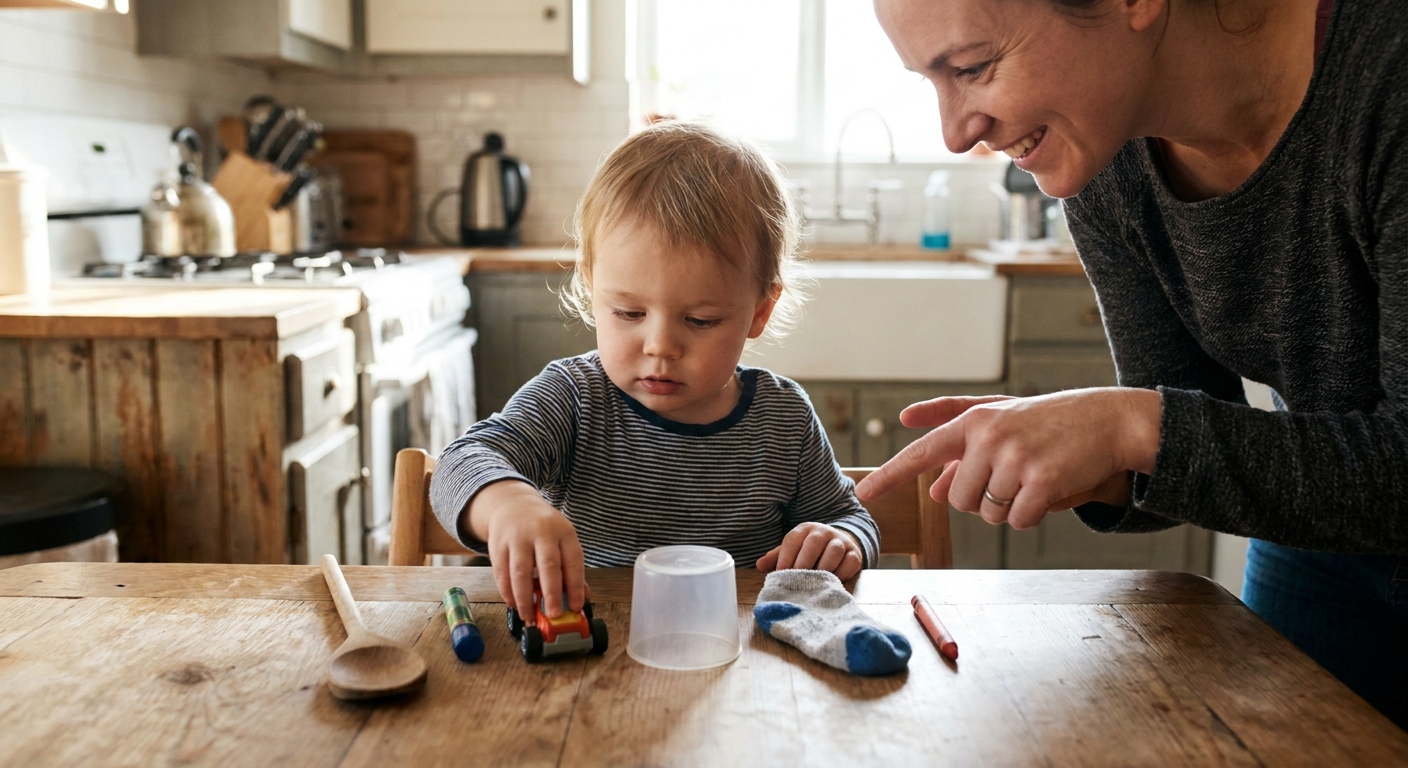
- Hide one card under a cup, scarf, or small towel.
- Mix the other card into 3 to 6 face-up choices.
- Ask: “Can you find the match for the one hiding?”
Language boost: Name the person or pet together: “That’s Grandpa!”
4) Sort and match
Sorting can strengthen visual discrimination because toddlers practice noticing what makes a group the same.
- Place three “sort spots” on the floor (three bowls, three paper plates, or three pieces of paper).
- Sort cards into simple groups: people, pets, places.
- After sorting, match pairs within each group.
Make it playful: Call the bowls “ponds” and let the cards “swim” into the right one.
5) Go Find It
This turns memory and matching into a whole-body game.
- Use photo cards of real items in your home (a chair, a lamp, a stuffed animal, the front door).
- Hand your toddler one card.
- Ask them to find the real thing and bring you back to it, or point to it.
Easy win: Start in one room with just 3 cards.
If your toddler needs to move while learning, you can pair this with rainy-day energy play from indoor gross motor activities.
6) Build-a-Story Match
This is a calm, connection-filled way to practice recall. It is less about “winning” and more about remembering together.
- Choose 3 pairs that connect (example: a person, a place, a pet).
- Lay them face up and match each pair.
- After each match, say one simple sentence together: “Auntie is at the park.” “Doggy is at home.”
Keep it toddler-sized: One short sentence is plenty.
Make them last
- Use thicker backing by gluing two layers of cardboard together.
- Seal edges well with tape wrapped around the border, then trim flush.
- Store in a small box and rotate a few pairs at a time.
- Refresh photos anytime. New haircuts, new pets, and new places make matching exciting again.
Easy skill boosts
- Visual discrimination: For older toddlers, add similar photos (two different smiles, two different hats) and ask, “What is the same? What is different?”
- Attention: Play for 3 to 5 minutes, then stop while it still feels fun.
- Language: Name who is in the photo and add one describing word: “Daddy laughing.”
- Fine motor: Stack matched pairs into a little tower or slide them into a container slot.
For more fine-motor-friendly play ideas, you might also like sticker activities for a stronger pincer grasp.
Privacy tip
If your cards might travel outside your home (daycare, playdates), consider using first names only when you talk about them, and skip any identifying details you would not want shared. Or keep the deck as a cozy at-home activity.
FAQ
How many pairs should a toddler play with?
For beginners, 3 to 6 pairs is plenty. If your toddler is cruising through easily, add 1 or 2 pairs at a time.
What if my toddler gets upset when they do not find a match?
Try face-up matching first (Open Match), or play as a team: “Let’s help the cards find their families.” Keeping it cooperative often helps with frustration.
Can I use phone photos without printing?
Yes, for a quick version you can match photos on a screen, but many toddlers do best with sturdy cards they can touch, move, and line up.
One last cozy snapshot
These little photo games are simple, cozy, and full of familiar faces. Start tiny, keep it playful, and let your toddler be the match-finding hero.
For more learning-through-play ideas, explore Early Learning & Development.