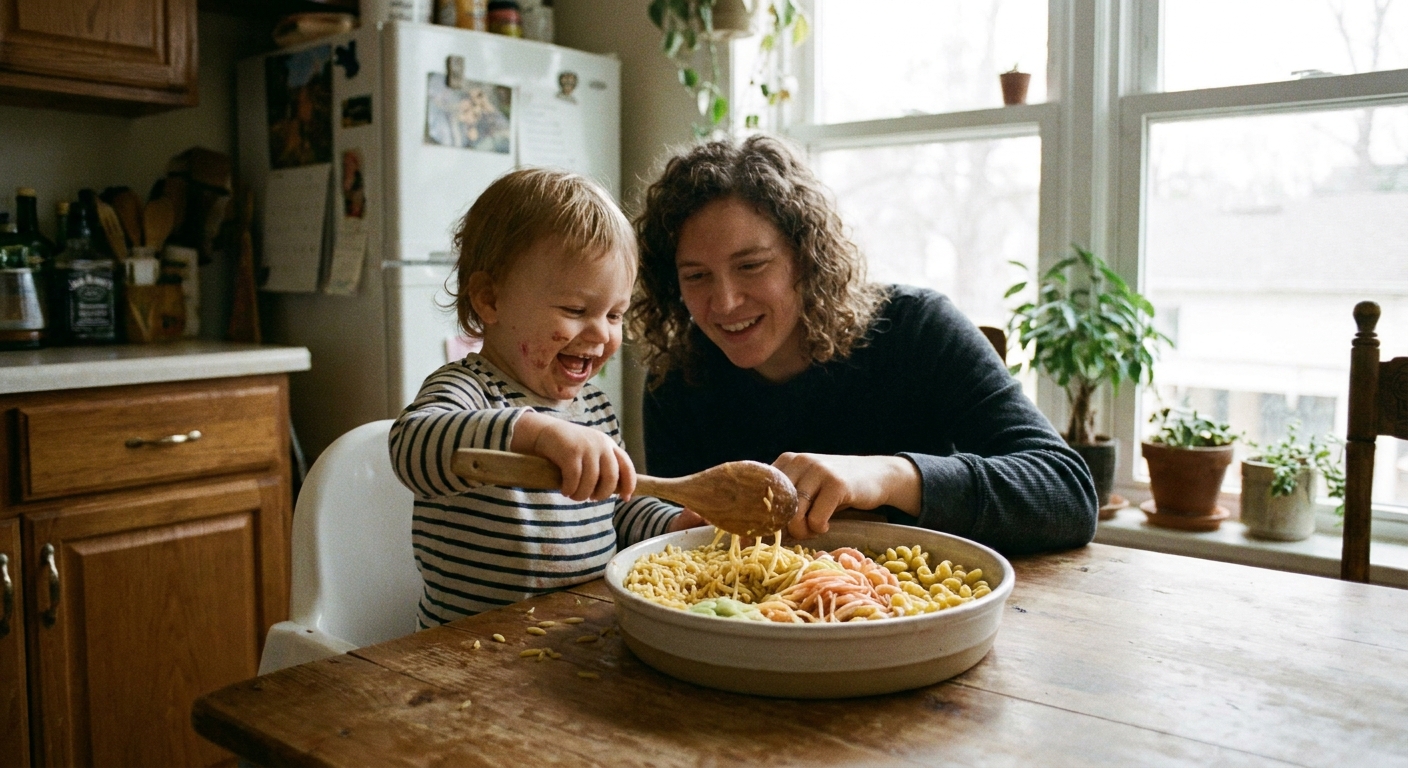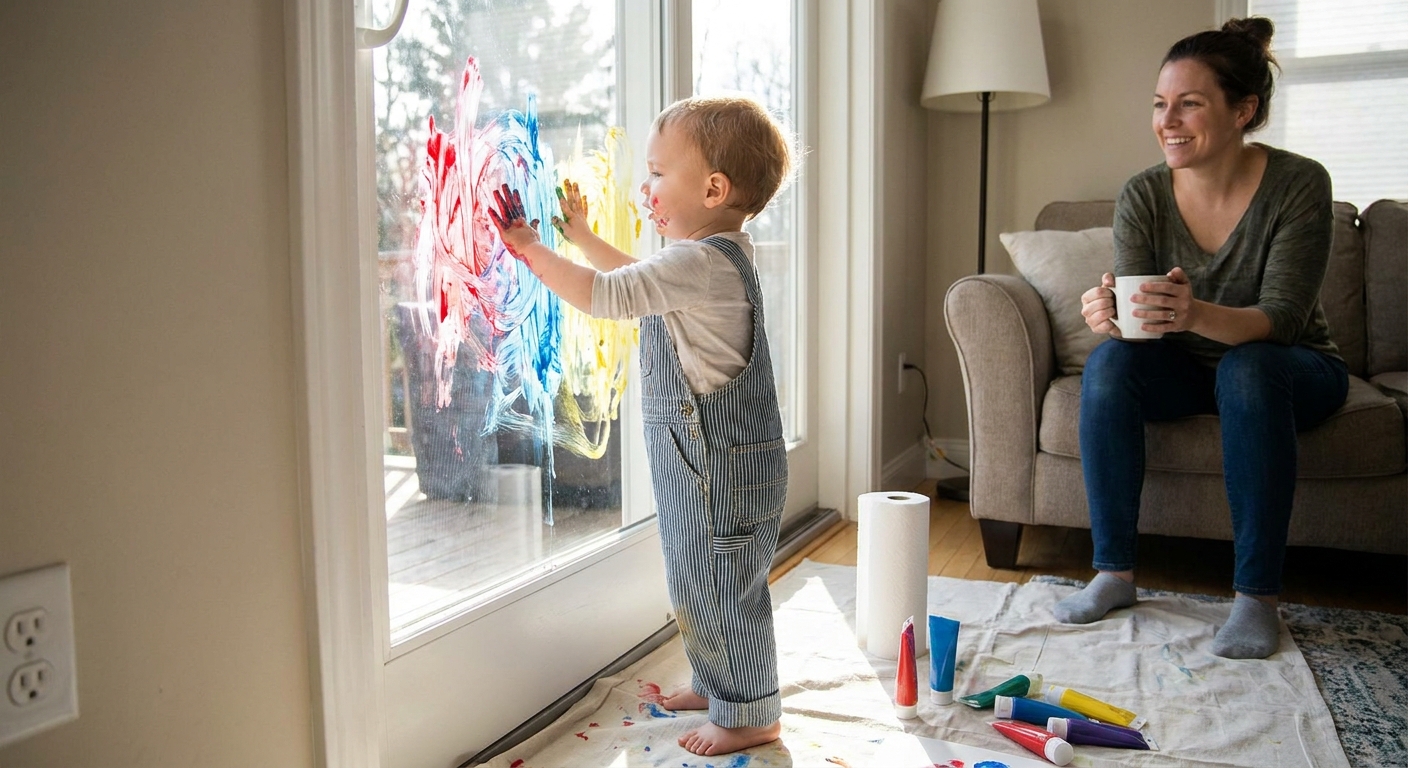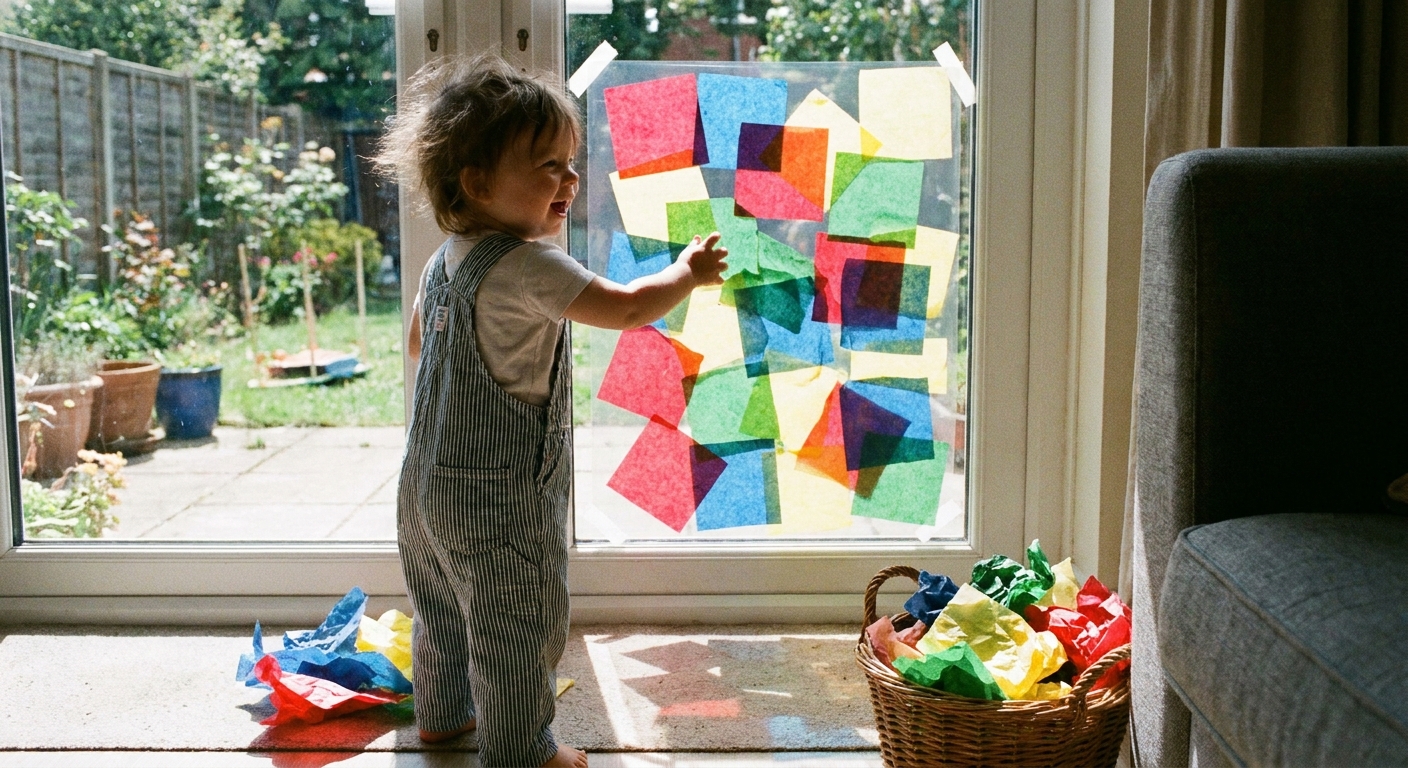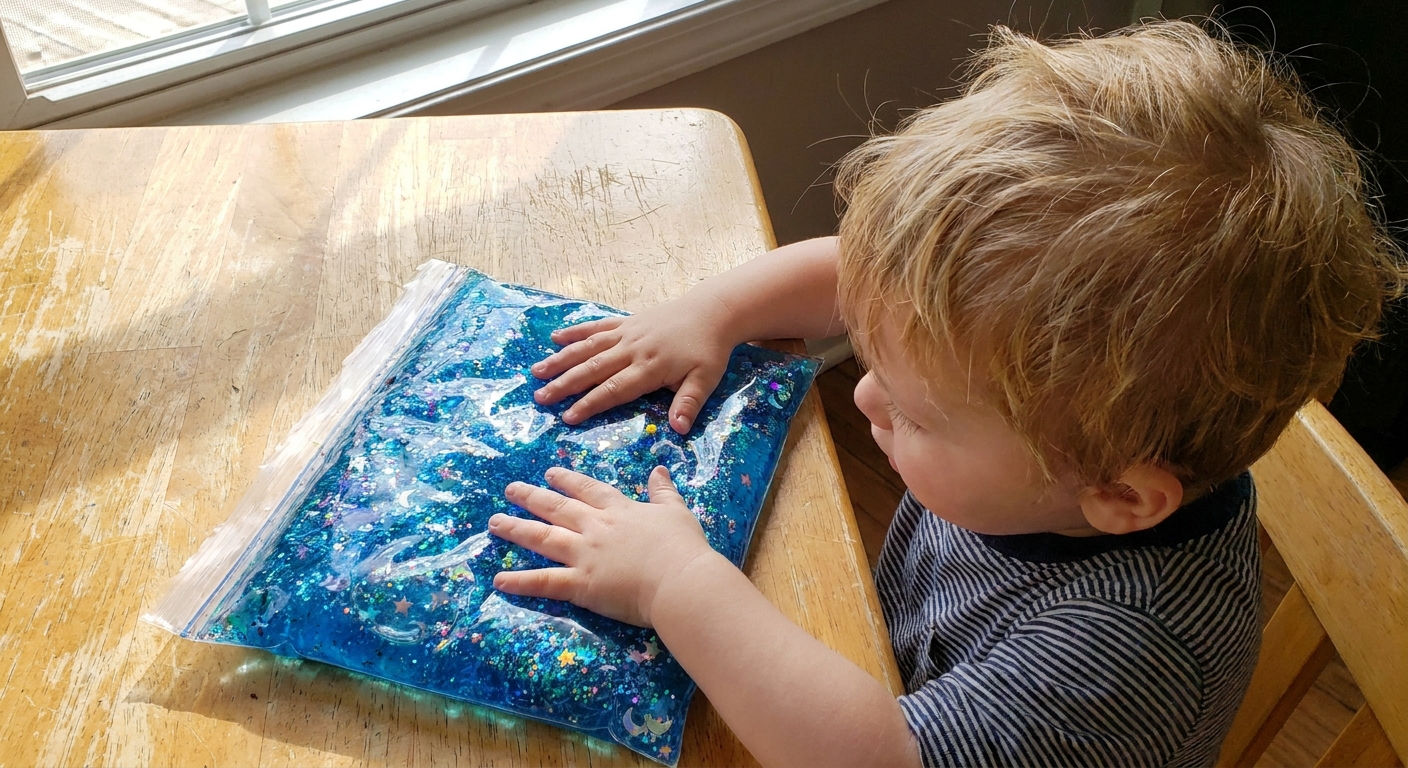
Let’s dive in and make a wonderful, happy mess together! This taste-safe “finger paint” uses plain yogurt and a tiny bit of food coloring to create creamy, colorful swirls that are much less worrisome for toddlers who still explore with their mouths.
Why yogurt finger paint works
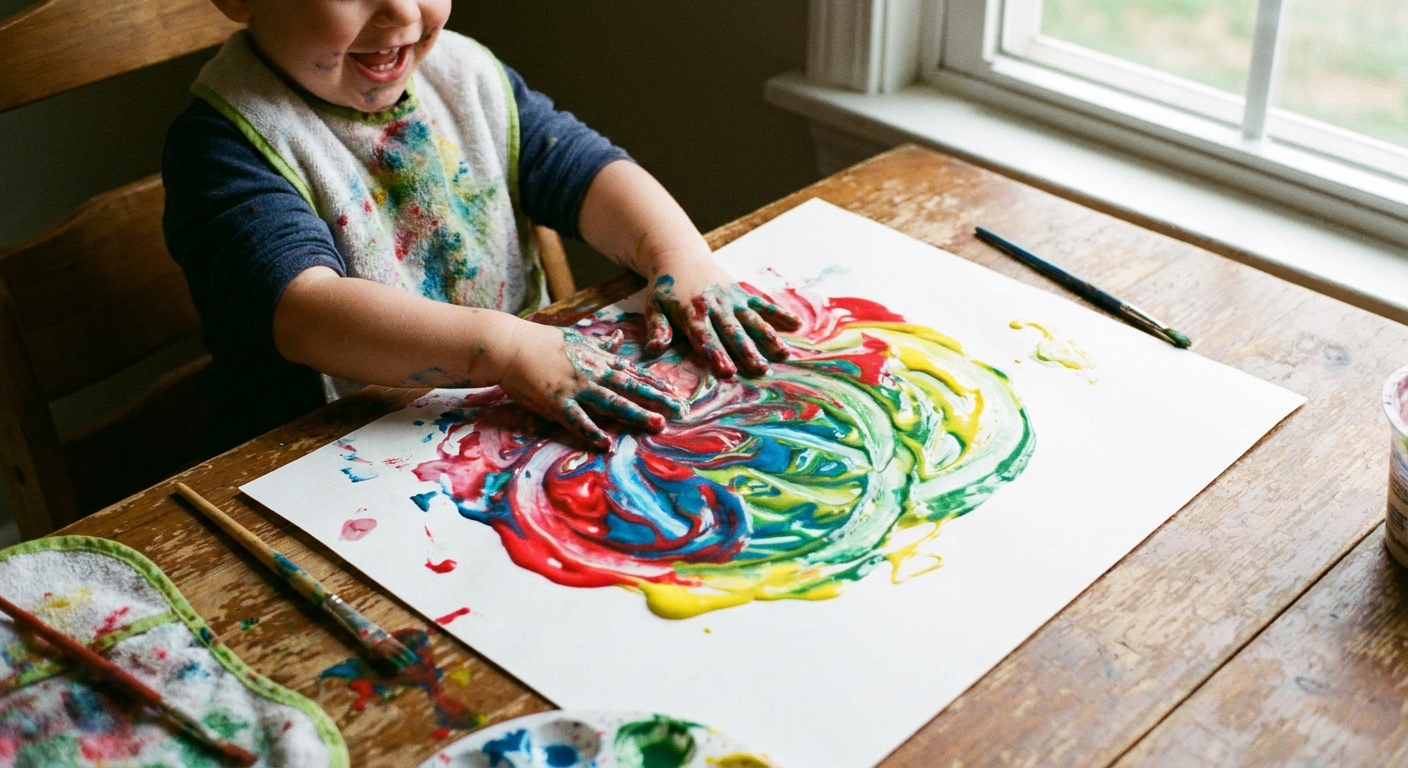
This is not paint in the traditional, frame-it-and-hang-it sense. Think of it as an edible, sensory-friendly art substitute that lets toddlers smear, dab, stamp, and scribble while they practice important early skills.
- Taste-safe option: Yogurt is food, so small nibbles are less alarming than craft paint.
- Bright color with simple ingredients: Food coloring makes bold shades quickly.
- Big sensory payoff: Cool, creamy texture is fun for little hands.
- Easy cleanup: Soap-and-water cleanup for hands and most surfaces.
Important: Taste-safe does not mean allergy-safe. Skip this activity if your child has dairy allergies or sensitivities.
Ingredients and supplies
What you need
- Plain yogurt, full-fat or Greek (unsweetened is best for less added sugar and a less tempting “treat” vibe)
- Food coloring (gel or liquid)
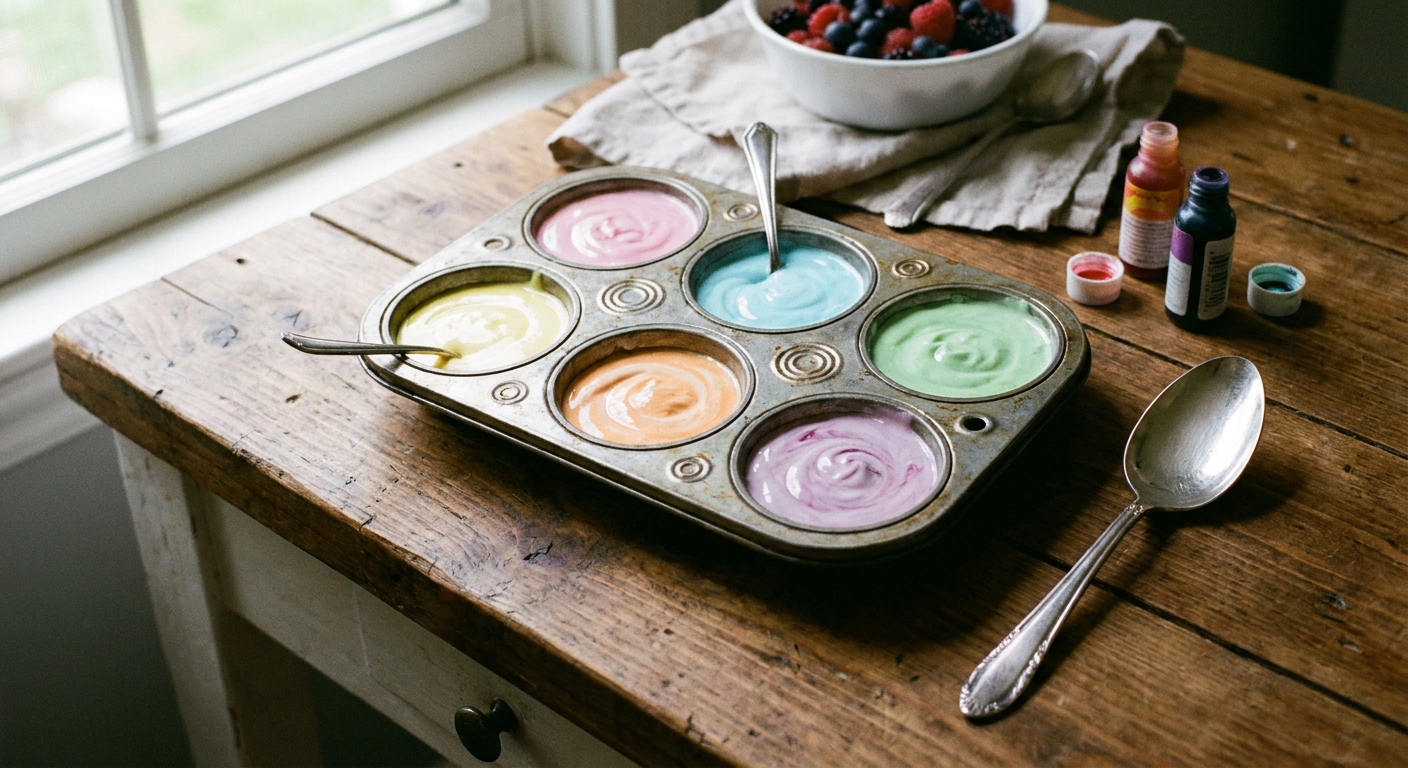
- Small bowls or a muffin tin for color cups
- Spoons for mixing
- Thick paper, cardstock, or a flattened cardboard box panel
- Optional: a rimmed baking sheet or large tray to contain the mess
Optional add-ins
- Baby cereal or cornstarch (to thicken runny yogurt)
- A drop of vanilla (for a cozy scent, totally optional)
- A few blueberries or strawberries on the side for snack breaks
How to make it
- Set up your painting spot. Put paper on a tray, high chair tray, or wiped table. A towel under the tray helps catch drips.
- Scoop yogurt into bowls. Start with 2 to 4 tablespoons per color.
- Add color slowly. For liquid coloring, add 1 drop at a time, then stir. For gel coloring, use a tiny dab (a toothpick tip is plenty), then stir. Keep going until it looks bright.
- Adjust thickness if needed. If it seems runny, stir in a small pinch of baby cereal or cornstarch until it feels more like pudding. Mix well. Cornstarch can make the paint look a bit more matte and feel slightly powdery, which is normal.
- Invite your toddler to explore. Encourage dabbing fingertips, whole-hand swipes, and big circular smears.
Color tip: Yogurt is white, so colors can look pastel at first. A little extra coloring usually gets you those cheerful, bolder shades.
Best surfaces
Because yogurt stays damp and can soak in, the painting surface matters. These options are the least frustrating for grown-ups.
- Cardstock or construction paper: Holds up better than thin printer paper.
- Flattened cardboard box: Great for big arm movements and less slipping.
- Rimmed tray painting: Paint right on a clean baking sheet for easy wipe-down.
If you want an upright art experience later, try a sticky wall activity on Tot Sensory: Contact Paper Sticky Wall for Toddler Art.
Lower-mess tips
Simple setup tricks
- Dress for mess: A smock or old T-shirt helps, and bare arms are easier to wash.
- Use fewer colors: Two colors means less chance of turning everything brown right away.
- Offer a “clean hand” option: Put a damp washcloth nearby so your toddler can wipe and keep going.
- Choose a contained location: Kitchen floor on a wipeable mat can be calmer than carpet.
If your toddler tries to dump the bowls
It happens. Using tiny portions in a muffin tin helps, and placing the colors farther apart can reduce enthusiastic sweeping. For more gentle strategies, hop over to How to Stop Your Toddler from Throwing Sensory Bin Fillers and adapt the same ideas for paint cups.
Troubleshooting
- Too runny: Switch to Greek yogurt, or add baby cereal or cornstarch a pinch at a time.
- Too thick: Stir in a tiny splash of yogurt (or a few drops of water) until it spreads easily.
- Toddler immediately eats it: Use smaller portions, offer a snack alongside, and try painting on a tray first so the focus stays on smearing and swiping.
- Paper tears or gets soggy: Upgrade to cardstock, paint on cardboard, or paint directly on a baking sheet.
Fun ways to paint
Finger painting can be more than just smearing. A few playful prompts can keep little hands busy longer.
- Dot-dot-dot: Make fingertip dots across the page like “rain.”
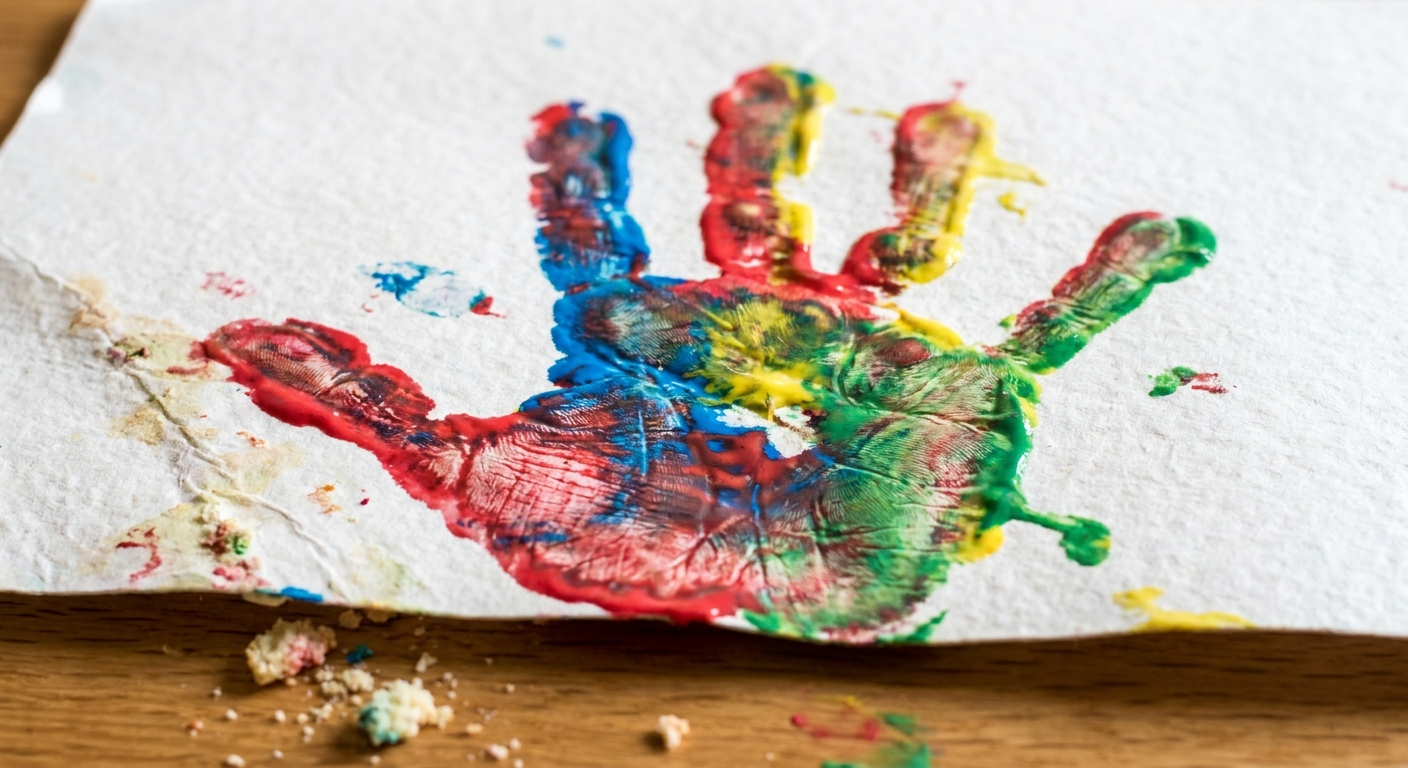
- Handprints: Press a whole hand down, then lift straight up.
- Swipe roads: Make long lines and drive toy cars through them on a tray.
- Color hunt: “Can you find the red and make a big circle?”
- Texture stamping: Dab yogurt paint with a fork, sponge, or silicone brush.
Safety notes
- Supervise closely. Even taste-safe materials are not meant to be eaten by the spoonful.
- Check ingredients. Avoid this activity for dairy allergy, lactose intolerance, or if food coloring is a concern for your family.
- Keep it short. Yogurt is perishable. Aim for a quick play session (10 to 20 minutes), do not leave it sitting out, and toss everything after.
- Skip when it will be uncomfortable. If your child has a stomach bug, fever, or irritated eyes and is likely to rub their face, save this one for another day.
- Choking awareness. Keep small tools (like tiny lids) away from toddlers who mouth objects.
Cleanup and storage
Cleanup
- Hands: Wash with warm water and soap.
- Surfaces: Wipe up right away, especially on wood or porous tables.
- Clothes: Rinse in cold water first if color stains, then wash normally.
Can you save leftovers?
It is best to mix only what you will use and toss leftovers. Yogurt spoils quickly at room temperature, and once it has been handled during play, it should not be stored for later.
Easy variations
Dairy-free option
A thick, plain dairy-free yogurt alternative can work similarly. Choose one with minimal added sugar for less stickiness and fewer tempting licks.
Thicker paint
Mix in baby cereal a pinch at a time until it holds peaks like pudding. This helps prevent drips and makes finger marks stand out.
Pastel rainbow
Use just a tiny touch of color in each cup and invite your toddler to blend two colors where they meet. The creamy base creates soft, dreamy shades.
More messy play ideas
If your little one loves sensory art, here are a few Tot Sensory favorites to try next:
- 5 Washable Window Art Activities for Rainy Days
- 7 No-Mess Sensory Bags With Household Items
- 5-Minute No-Cook Playdough for Rainy Afternoons
- Easy Arts & Crafts
Little hands learn by doing. When the materials are simple and safe, it is easier to say yes to the messy moments.
Quick FAQ
Will yogurt finger paint stain?
Food coloring can stain some fabrics and porous surfaces. Using an old shirt or smock and painting on a tray or cardboard helps a lot. Wipe surfaces promptly.
Is this safe for babies?
For babies who are able to sit supported and are supervised closely, yogurt paint can be a gentle sensory activity. Always consider allergies, keep portions small to discourage scooping and eating, and keep the session short so yogurt is not left out.
Can this be used on skin like body paint?
It is better to keep yogurt paint to hands and paper or trays. Avoid the face and eye area, and wash hands after play.