Rainy afternoon? Boots by the door, puddles outside, and a little duckling energy bouncing off the walls? Let’s dive in and make a wonderful, happy mess together! This no-cook playdough mixes up fast, stores well when kept airtight, and can be customized with the coziest sensory add-ins.
Quick age note: This is best for toddlers and preschoolers with close supervision. It is not meant for unsupervised play.
Why this playdough works
- No stove needed: just a bowl and a spoon.
- Fast: ready for play in about 5 to 10 minutes, depending on kneading and tweaks.
- Flexible texture: easy to fix if it feels too sticky or too dry.
- Good staying power: usually keeps for about 1 to 4 weeks when stored airtight, but it depends on humidity and how “loved” it gets. If it gets very wet or heavily mouthed, plan to replace it sooner.
Sensitivity note: Flour dust, food dyes, cinnamon, and added scents can bother sensitive skin or noses. If your child is prone to eczema or irritation, consider leaving out scents and washing hands after play.
Allergy note: This recipe contains wheat (flour). If you have a wheat allergy in the house, choose a different sensory material.
Pet safety note: This dough is very salty. Keep it out of reach of pets, especially dogs.
5-minute no-cook playdough
Ingredients
- 2 cups all-purpose flour
- 3/4 cup salt
- 4 teaspoons cream of tartar (can help with softness and stretch, even in no-cook dough)
- 2 tablespoons vegetable oil
- 1 1/2 cups warm water
- Food coloring (optional)
- Optional scent add-in: 1/4 teaspoon cinnamon or 1 to 2 drops food-safe flavoring (see notes below)
Quick method
- Stir the dry ingredients: In a large bowl, mix flour, salt, and cream of tartar until evenly combined.
- Add wet ingredients: Pour in the oil and about 1 cup of the warm water. If using food coloring, mix it into the water first for more even color.
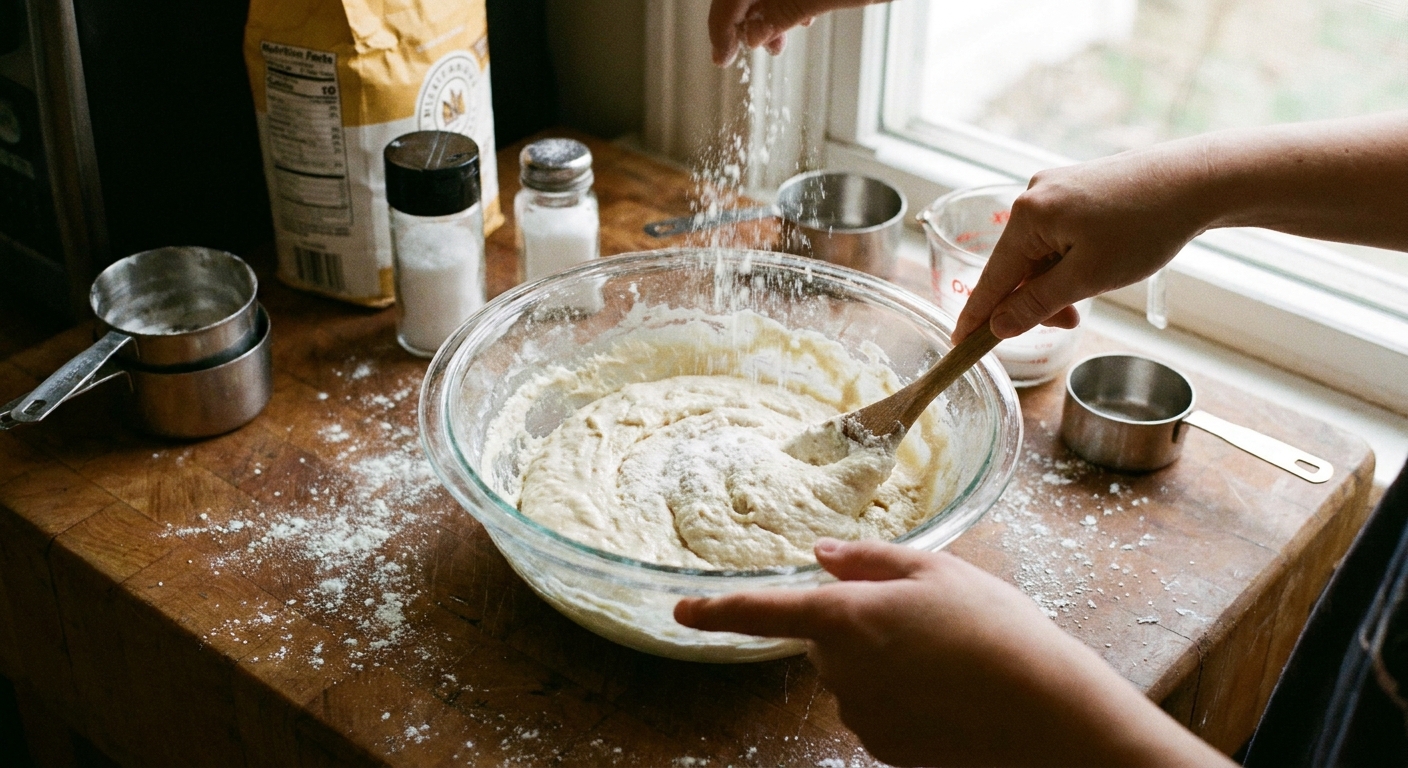
- Mix and adjust: Stir. Add up to 1/2 cup more warm water, a little at a time, until a dough forms. It should look shaggy, then start pulling together.
- Knead: Knead in the bowl or on a clean surface for 1 to 2 minutes until smooth.
- Play: Squish, roll, stamp, and shape.
Texture goal: soft, smooth, and stretchy. It should not leave lots of residue on hands.
Yield: This makes one generous batch (enough for two kids to share). You can divide it into smaller balls and color each one.
Stain heads-up: Food dye, turmeric, and cocoa can stain hands and porous surfaces. A wipeable mat or baking sheet helps a lot, and a quick hand wash after play keeps things tidy.
Easy fixes
If it is sticky
- Knead in 1 tablespoon flour at a time.
- Let it rest for 5 minutes, then knead again. Flour absorbs moisture as it sits.
If it is dry or crumbly
- Knead in 1 teaspoon warm water at a time.
- Add a tiny extra drizzle of oil if it feels rough.
If it feels too salty on hands
- Kneading in a small splash of water can help a little, but the best fix is less salt next time (level the measurement, do not heap it).
- If hands feel uncomfortable, rinse and dry, then return to play.
Cozy sensory add-ins
This is where rainy-day magic really happens. Choose one add-in at a time so the scent and texture stay pleasant and not overwhelming.
Cinnamon playdough
- Add 1/4 to 1/2 teaspoon ground cinnamon with the dry ingredients. Cinnamon can irritate some skin, so start small.
- For a warmer brown tone, use a drop of yellow and a tiny drop of red food coloring.
Lavender (optional)
- If you want a lavender vibe, use food-safe lavender flavoring (not essential oil) and start with 1 drop, then knead and decide.
- For many toddlers, the calmest choice is simply skipping added scent, especially under age 3 or if your child is fragrance-sensitive.
Other toddler-friendly ideas
- Vanilla: 1/8 to 1/4 teaspoon vanilla extract for a sweet, bakery smell. Skip extracts if skin is sensitive or cracked, since alcohol-based extracts can sting.
- Lemon: 1/8 to 1/4 teaspoon lemon extract for bright, cheery play. Same note here, skip if skin is sensitive.
- Skip-the-glitter shimmer: If you use cosmetic mica, use a tiny pinch only, mix slowly, and supervise closely. Fine powders can become airborne, so avoid this if your child rubs eyes, puts hands near the mouth or nose, or has breathing sensitivities.
- Texture pops (older kids only): A spoonful of dry rice or beans is a choking hazard. Only use with older children who do not mouth materials, and only with direct supervision.
Safety note for toddlers who mouth: Playdough is taste-safer than many craft materials, but it is not edible. Supervise closely, and skip small add-ins (like rice, beans, or dried buds) if mouthing is likely. For more mouth-safer sensory filler ideas, waddle over to taste-safe sensory bin fillers.
Simple tools
No fancy kit needed. A few household tools can stretch playtime and build great little hand skills.
- Plastic spoon and fork: poke patterns, press lines, scoop and dump.
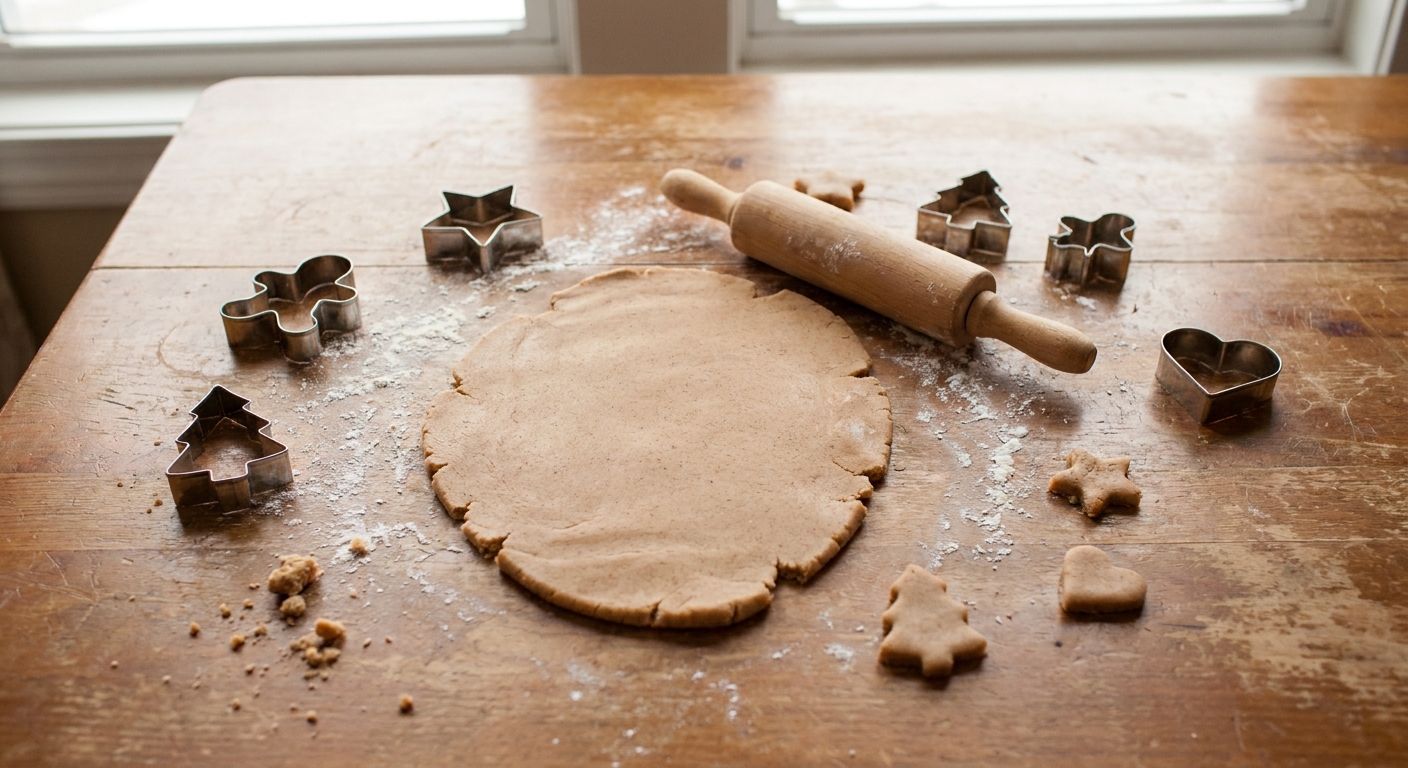
- Cookie cutters: press and lift, then re-roll.
- Rolling pin: a kid rolling pin or a smooth bottle.
- Safety scissors: snip playdough “snakes” for scissor practice.
- Muffin tin: make “playdough cupcakes” and sort colors.
Looking for more skill-building ideas that pair well with squishy play? The guide to sensory bin tools for fine motor skills has lots of simple, toddler-friendly options.
How to store playdough
- Store in an airtight container or zip-top bag.
- Press out extra air before sealing.
- Keep it in a cool, dry place. A pantry works well.
- If it starts to dry, knead in a few drops of water or a tiny bit of oil.
When to toss it: If it smells off, shows visible mold, has been heavily mouthed, has been shared during illness, or your child had a reaction to an add-in, it is time to say goodbye and whip up a fresh batch.
60-second setup
Playdough is happiest when cleanup is easy. Try this quick setup:
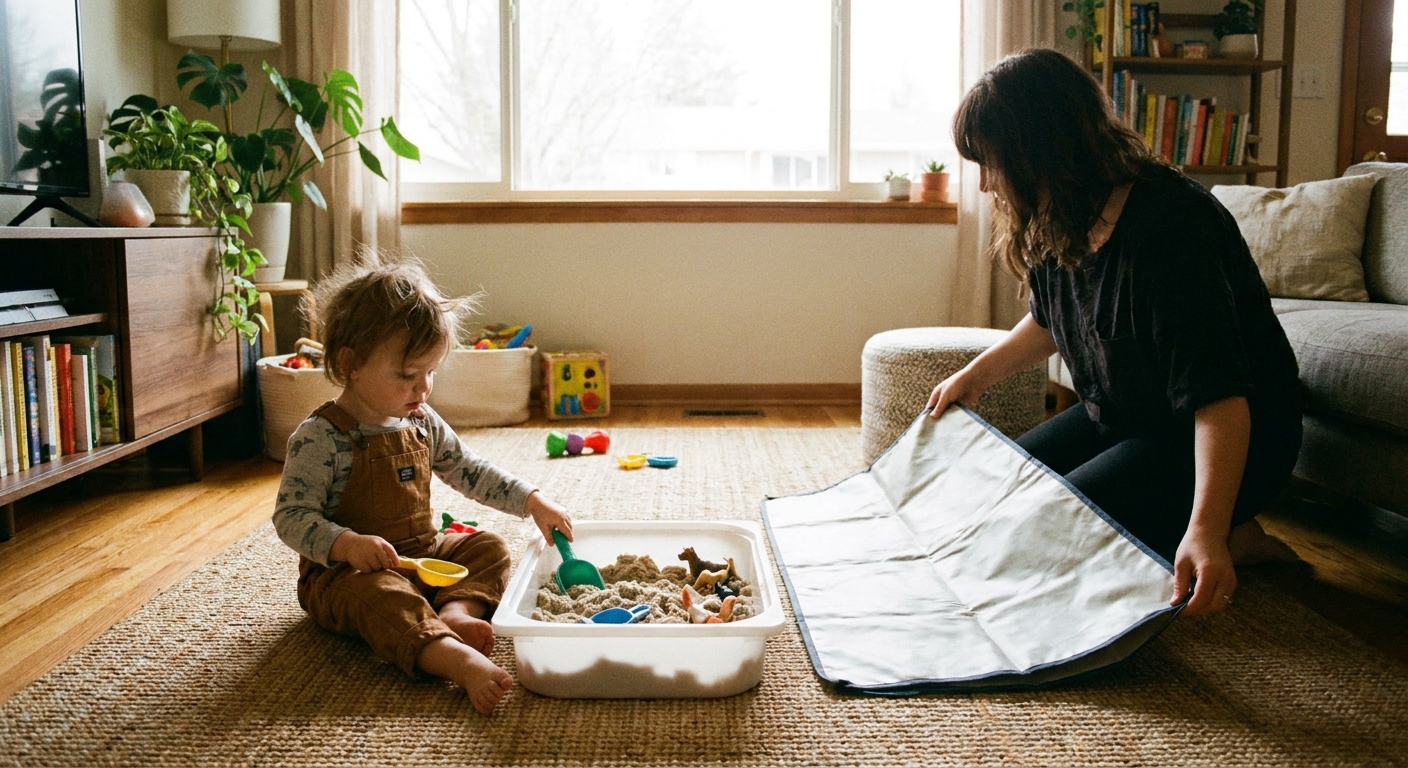
- Put down a baking sheet or a wipeable placemat to catch crumbs.
- Set out 2 to 3 tools only. Fewer tools often means longer focus.
- Add a “finished” bowl for scraps and tiny bits.
If mess tends to migrate, the tips in containing sensory bin mess in a small house work beautifully for playdough too.
Mini FAQ
Can this be made without cream of tartar?
Yes, but cream of tartar can help the dough stay softer and stretchier and may improve how long it holds up in storage. Without it, expect a drier dough and plan to remake sooner.
Is food coloring the only way to color it?
Nope. A pinch of turmeric makes a sunny yellow, cocoa powder makes brown, and a little beet powder can create pink tones. Add powders with the dry ingredients so they blend evenly. Just note that turmeric especially can stain, so keep a wipeable surface underneath.
What if the smell is too strong?
Use less next time. For scented playdough, start tiny, knead, then decide. Toddler noses can be extra sensitive on indoor days.
Need more quick indoor ideas?
Rainy afternoons love backup plans. The Indoor & Rainy Day Play collection is full of low-prep activities for when outside play is on pause.
Playdough is a tiny indoor puddle: squishy, soothing, and full of chances to squeeze, pinch, roll, and create.
Now grab a bowl, keep it simple if you need to, and let those little hands get happily busy while the rain taps on the windows.